


A debt collection dispute in Madiun Regency developed into a criminal case after a victim’s mobile phone was allegedly taken by force during a confrontation. Police subsequently traced the suspected perpetrator and secured evidence linked to the incident, demonstrating how an initial public report can become the starting point for a broader investigative process.
The incident occurred in Mejayan District when a man identified by the initials ABS allegedly visited the victim to collect an outstanding debt. The encounter initially involved an attempt to settle the payment through a bank transfer because the victim reportedly did not have enough cash available.
The situation, however, escalated into an argument. During the confrontation, the victim attempted to record what was happening with a mobile phone. The device was allegedly seized by force, while the victim was also reportedly subjected to intimidation before ABS left the location with another person.
The victim then reported the incident to the police. The complaint became the basis for investigators to examine the circumstances surrounding the confrontation and determine the next steps in the case.
Rather than relying solely on the initial account, investigators from the Unit V Cybercrime division of the Madiun Police Criminal Investigation Unit worked to develop information related to the reported incident. The process included efforts to establish the sequence of events and trace the whereabouts of the individual suspected of taking the phone.
The investigation faced an obstacle when ABS failed to attend police questioning on two occasions. His absence created an additional challenge for investigators seeking to clarify the allegations and continue the examination.
Nevertheless, the missed questioning sessions did not bring the investigation to a halt. Police continued gathering information and pursuing leads that could help establish where the suspect was staying.
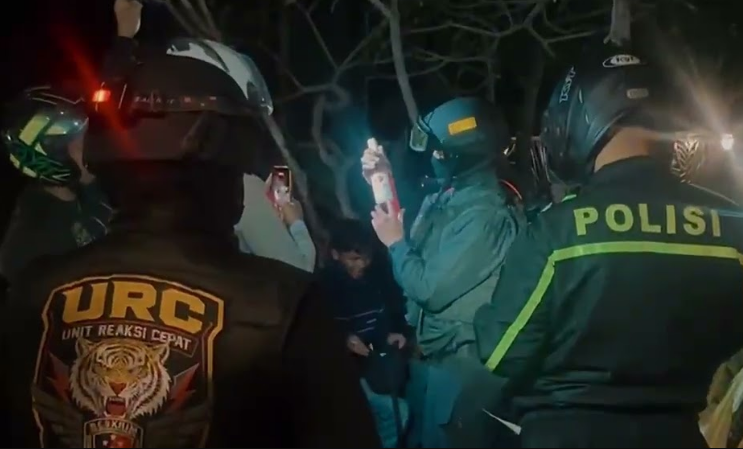
Investigative efforts eventually led officers to information indicating that ABS was at a relative’s residence in Ngawi Regency. Based on the information obtained, officers proceeded to the location and secured the suspect for further legal proceedings.
The development illustrates an important aspect of investigative work. A police response does not necessarily end when officers receive a complaint or when a suspect becomes difficult to reach. Instead, investigators must continue assessing available information and identifying alternative leads when an expected investigative step does not produce a result.
After securing the suspect, police continued with another stage of the investigation by searching for objects considered relevant to the reported offense. Several mobile phones were recovered during the search, including a device believed to belong to the victim.
Investigators also secured a data storage device containing a recording associated with the incident. The materials were taken as part of the investigation and are expected to assist officers in examining the circumstances surrounding the reported confrontation.
The recovery of the alleged victim’s phone carries particular relevance because the device was reportedly taken during the confrontation. Meanwhile, the recording found on the storage media could provide additional information for investigators as they reconstruct the sequence of events.
However, the collection of physical and digital materials represents only one part of the investigative process. Investigators must examine the relevance of each item and connect the available evidence with other information obtained during the case.
This process reflects the importance of evidence-based investigation in handling criminal reports. While the initial complaint provides investigators with information about an alleged incident, further examination is required to establish the facts and determine the appropriate legal measures.
The Madiun case also demonstrates how investigative work can require persistence when circumstances change. The suspect’s failure to attend questioning twice meant that officers needed to continue looking for information about his whereabouts.
Following the eventual lead to Ngawi allowed investigators to locate the suspect and proceed with the next stage of the case. The subsequent search for relevant objects further expanded the investigation beyond the initial report.
For the public, the sequence offers a view of what can happen after a report reaches law enforcement. The process may involve gathering information, examining a reported chronology, following leads, locating individuals, securing relevant objects, and preparing the case for further legal proceedings.
This chain of actions forms an important part of the #ReserseBekerja approach. The emphasis is not simply on how quickly a suspect can be located. It also involves the ability of investigators to maintain the investigation when they encounter obstacles and to develop information until it produces a useful lead.
The case further shows why public reports remain an important element in law enforcement. Without the victim’s complaint, investigators would not have had the initial information needed to examine the alleged incident and begin tracing the individual involved.
At the same time, reporting an incident is only the first stage. The information must then be assessed and developed through investigative procedures. In this case, the process eventually resulted in the identification of the suspect’s reported location and the recovery of materials considered relevant to the investigation.
The handling of the case also highlights the role of digital devices in modern investigations. Mobile phones and data storage media can contain information connected to an incident. When investigators secure such materials, they can become part of the broader effort to clarify what occurred and establish the facts of the case.
The suspect has subsequently undergone further legal proceedings and detention for investigative purposes. The case remains subject to the applicable legal process, while investigators continue examining the available information and evidence.
For law enforcement, the outcome illustrates how responsiveness and persistence must work together. A quick response can initiate action, but sustained investigative work is needed to develop a case.
Ultimately, the Madiun incident provides an example of how a report concerning an alleged forced seizure of a mobile phone can develop into a structured investigation. From the victim’s initial complaint to the pursuit of investigative leads and the securing of relevant evidence, each stage contributes to the effort to establish the facts.
The process underscores the broader meaning of #ReserseBekerja. Effective investigative work is not defined solely by a visible arrest or the recovery of an item. It is also reflected in the less visible steps taken to follow information, overcome obstacles, examine evidence, and ensure that a reported case continues through the appropriate legal process.